Category: Tech

  • The Art of Stillness: Cultivating Quiet in a Noisy World

    The Art of Stillness: Cultivating Quiet in a Noisy World

    Finding CALM Within

    In a world that never stops.

    The Power Of PAUSE

    The world is getting louder. The news cycle never sleeps, social media never pauses, and there’s always another notification, another headline, another reason for all of us to stay plugged in. We are constantly told to be on—to react, to engage, to keep up. But at what cost?

    Stillness has become a luxury, yet it is one of the most powerful things we can cultivate.

    In a world addicted to urgency, slowing down is now perceived as a radical act.

    The maison 1973 woman knows that true confidence and presence don’t come from being the loudest voice in the room, but from knowing when to tune out the noise. This is about reclaiming quiet—not in a passive way, but as a deliberate choice to protect our mental space, restore our energy, and live with greater depth and intention.

    Here’s how we aim to do this everyday.

    “Every day, it feels like stillness is getting harder to find. The noise is constant—notifications, opinions, the endless pull of needing to do more. At the end of each day, I often ask myself: Have I taken a deep breath today? Have I sat in silence, even for a moment? Am I choosing calm, or am I just reacting? Finding stillness isn’t effortless, but it’s a choice I try to make—by slowing down, stepping outside, and reminding myself that presence is the greatest luxury of all.”

    creator maison 1973, Nic Tierney

    Protect Your Mental SPACE Like You Protect Your Skin

    We apply SPF religiously to protect ourselves from harmful rays—why don’t we do the same for our minds? We are bombarded with information, opinions, and digital clutter daily, and without boundaries, it drains us.

    Curate What You Consume – Not all information is equal. We seek out slow, intentional media over the constant stream of doom scrolling. It really does help to calm us at the end of a busy day.

    Set Digital Limits – You don’t need to be constantly updated. When did we all become so obsessed with needing to know everything, at all times! Take social media breaks, unsubscribe from noise, and protect your attention span.

    Replace Noise with Intentional Quiet – Spend a morning without your phone, take a walk without a podcast, and enjoy an evening free from news. Decide when and how you connect. This has transformed life at maison 1973; simply enjoying quiet moments is truly wonderful.

    Be Selective About Conversations – Not every debate or topic needs your participation. Choose where you invest your emotional energy.

    Embrace JOMO (Joy of Missing Out) – You don’t need to be at every event, in every discussion, or aware of every trend to live a full, rich life. It’s ok to just say no thanks, not today.

    What we ask ourselves: Am I choosing what enters my mind, or is it being chosen for me?

    Almost everything will work again if you unplug it for a few minutes, including you.” — Anne Lamott


    The Power of Doing ONE Thing at a Time

    Multitasking has been glorified for years, but in reality, deep presence is a radical act. Instead of scattering your focus, give these techniques a try:

    Single-tasking – Giving your full attention to one thing at a time, whether it’s eating, reading, or simply breathing.

    Savouring Small Rituals – The act of making tea, putting on perfume, folding linen with care—these everyday moments become grounding when we approach them with intention.

    Practicing Micro-Moments of Stillness – Pausing before answering, sitting with silence, taking a deep breath before reacting.

    Create ‘Sacred Spaces’ in Your Home – A reading nook, a candlelit bath, a space free from screens where you can fully unwind.

    Reduce Sensory Overload – Opt for soft lighting, neutral tones, and calming textures in your surroundings to create a sense of peace.

    What we ask ourselves: When was the last time I did nothing—truly nothing?

    Beware the barrenness of a busy life.” — Socrates


    NATURE as the Ultimate Reset Button

    We spend more time interacting with screens than with the natural world. But in a world that feels increasingly artificial, nature is the antidote – it’s our tonic. Time is nature truly is magical. It absolutely reminds us of what’s important.

    A Daily Touchpoint with NatureBare feet on the grass, morning sun on your face, fresh air in your lungs.

    Textural Grounding – The softness of linen against your skin, the weight of a ceramic cup in your hands, the feel of paper under pen.

    Seasonal Living – Aligning your energy with the rhythms of nature instead of the demands of the digital world.

    Slow Travel & Nature Retreats – Instead of fast-paced tourism, consider unplugged weekend escapes where you can reconnect with yourself and the world around you.

    Forest Bathing (Shinrin-Yoku) – A Japanese practice that emphasizes immersing yourself in the natural world to reduce stress and increase well-being.

    What we ask ourselves: How often do I step outside without a destination in mind?

    Adopt the pace of nature: her secret is patience.” — Ralph Waldo Emerson


    The Luxury of a QUIET Life

    We live in a culture that equates more with better, faster with success, and louder with power. But maison 1973 stands for something different.

    Luxury is not filling your calendar to prove your worth.

    Luxury is choosing who and what gets your energy.

    Luxury is knowing that quiet confidence speaks louder than noise.

    Luxury is Time – Time to think, time to dream, time to be.

    Luxury is Depth Over Distraction – Instead of consuming more, we enjoy what truly matters.

    Luxury is Knowing When to Say No – To commitments, to digital noise, to anything that doesn’t align with your peace.

    Stillness isn’t passive—it’s powerful. In a world addicted to urgency, the ability to slow down, focus, and be intentional is the greatest luxury of all.


    The Role of Art, Music, and Literature in Cultivating STILLNESS

    We like to believe, that stillness isn’t just about the absence of noise—it’s also about what we choose to surround ourselves with. Art, music, and literature can be powerful tools for anchoring ourselves in the present.

    Read Slowly & Intentionally – Reread favourite books. Read poetry.

    Read things that make you think, rather than scroll.

    Surround Yourself with Beauty – Invest in pieces that evoke emotion in you —art, textiles, ceramics—things that bring depth, not just decoration.

    Let Music Be a Portal to Stillness – Classical music, jazz, soft instrumental—sounds that slow your breath and quiet your mind.

    Write Without an AgendaJournaling, writing letters, or just putting thoughts on paper helps clear your mind. We enjoy taking a big sheet of blank paper and doodling. Just write or draw to express yourself. Much of our time is spent on screens, and picking up a pen to connect with paper feels unusual now. How strange is that?

    What we ask ourselves: What am I surrounding myself with, and how does it make me feel?

    Without great solitude, no serious work is possible.” — Pablo Picasso

    the maison 1973 takeaway

    We don’t have to subscribe to the belief that success, influence, or relevance require constant motion. The maison 1973 woman chooses stillness—not as an escape, but as a foundation. A way to reclaim her mind, her time, and her energy.

    The world will keep moving at full speed. But you? You can choose to slow down.

    Just breathe.

    maison 1973
  • The Power of Nostalgia: Why We’re Craving the Past (And How It Can Inspire Our Future)

    The Power of Nostalgia: Why We’re Craving the Past (And How It Can Inspire Our Future)

    Vintage REVIVAL

    Harking back to the good old days.

    The PULL Of The Past

    Lately, do you find yourself reminiscing more than usual? This is a topic that we have thought about a lot here at maison 1973. Maybe it’s an old song that instantly transports you back to your teenage bedroom, or a scent that reminds you of summer holidays from decades ago. Perhaps it’s the way flipping through an old magazine or watching a 90s rom-com makes you feel comforted, seen, and somehow more yourself.

    Yes! Well welcome to the beautiful, complex, and deeply emotional experience of nostalgia.

    For the maison 1973 woman, we believe that nostalgia isn’t just about looking back—it’s about reconnecting with the essence of who we are. And in midlife, when so much is shifting, embracing the past can be a powerful way to shape our future, and what lies ahead.

    Let’s explore why we crave nostalgia, what it really means, and how we can use it to create a more joyful, intentional life today. We love this topic, we hope you do too…come with us on a little trip down memory lane.

    “I like to look back sometimes—not because I want to return, but because it reminds me how far I’ve come. Nostalgia isn’t just about the past; it’s about the pieces of ourselves we carry forward. The songs, the scents, the little moments—they make me smile, not just for what they were, but for how they’ve shaped who I am today. They’re never far from me.”

    creator of maison 1973, Nic Tierney.

    Why We’re So DRAWN To Nostalgia In Midlife

    Nostalgia isn’t just sentimental—it’s psychological. Studies show that as we age, we naturally reflect more on our past. But why does it feel so good?

    It’s a Comfort Mechanism – Research from the University of Southampton found that nostalgia helps regulate emotions, reducing stress and making us feel more connected and optimistic about life (Source: Southampton Study).

    It Helps Us Find Meaning – In midlife, we start questioning: Who am I now? What really matters? Nostalgia reminds us of the values, dreams, and joys that have shaped us.

    It Bridges Our Past & Present – It’s not about “wanting to go back.” It’s about bringing the best parts of our past forward—into how we dress, how we live, and what brings us joy today. Not all of our memories are fond ones, but

    Nostalgia is a beautiful thing, but let’s be honest—not every memory is wrapped in a warm glow. Some moments feel heavy, tangled with what-ifs and why-didn’t-Is. Looking back isn’t always about reliving the best days; sometimes, it’s about making peace with the harder ones. But even in those moments—the heartbreaks, the lessons learned—there’s something to honour. They remind us of our resilience, of how much we’ve grown, and of the life we’re choosing to build now. Because nostalgia isn’t just about celebrating the past—it’s about deciding what we carry forward and what we finally set down.


    The Nostalgia Triggers That Hit Us HARD

    Ever wonder why certain things instantly make you feel nostalgic? Here are some of the most powerful triggers:

    Music – That first concert you went to, the song that played at your wedding, the mixtape era—we remember moments through sound.

    Scents – The perfume your mother wore, the smell of an old bookstore, freshly cut grass in summer—scent is one of the strongest memory triggers.

    Fashion – The effortless styles of the 70s, the minimalism of the 90s—nostalgia shows up in how we dress, embracing past aesthetics in modern ways.

    Food – A recipe passed down through generations, the way our childhood favourite dish instantly brings us comfort.

    Old-School Rituals – Handwritten letters, film photography, flipping through a real magazine—things that felt normal then feel luxurious now.

    Nostalgia isn’t about “living in the past.” It’s about reintroducing joy into the present. If something sparks happiness, why not bring it back?


    How We Can Use Our Nostalgia To INSPIRE Our Life

    Nostalgia isn’t just about reminiscing—it’s about taking what we love from the past and using it to enrich our present and future. Here’s how we try to do it:

    Style is personal history. Instead of chasing trends, think about:

    1. What did you love wearing when you felt most confident?
    2. Which silhouettes, colours, or fabrics feel like you?
    3. Can you bring back effortless vintage elements—a silk scarf, a timeless trench, or classic gold hoops?

    Nostalgia reminds us of a time when life felt more intentional. Before everything became digital and rushed, we savoured experiences.

    Try This:

    • Swap out your phone alarm for a real alarm clock – yes the old fashioned brown and black kind!
    • Write in a physical journal instead of a note on your phone or iPad
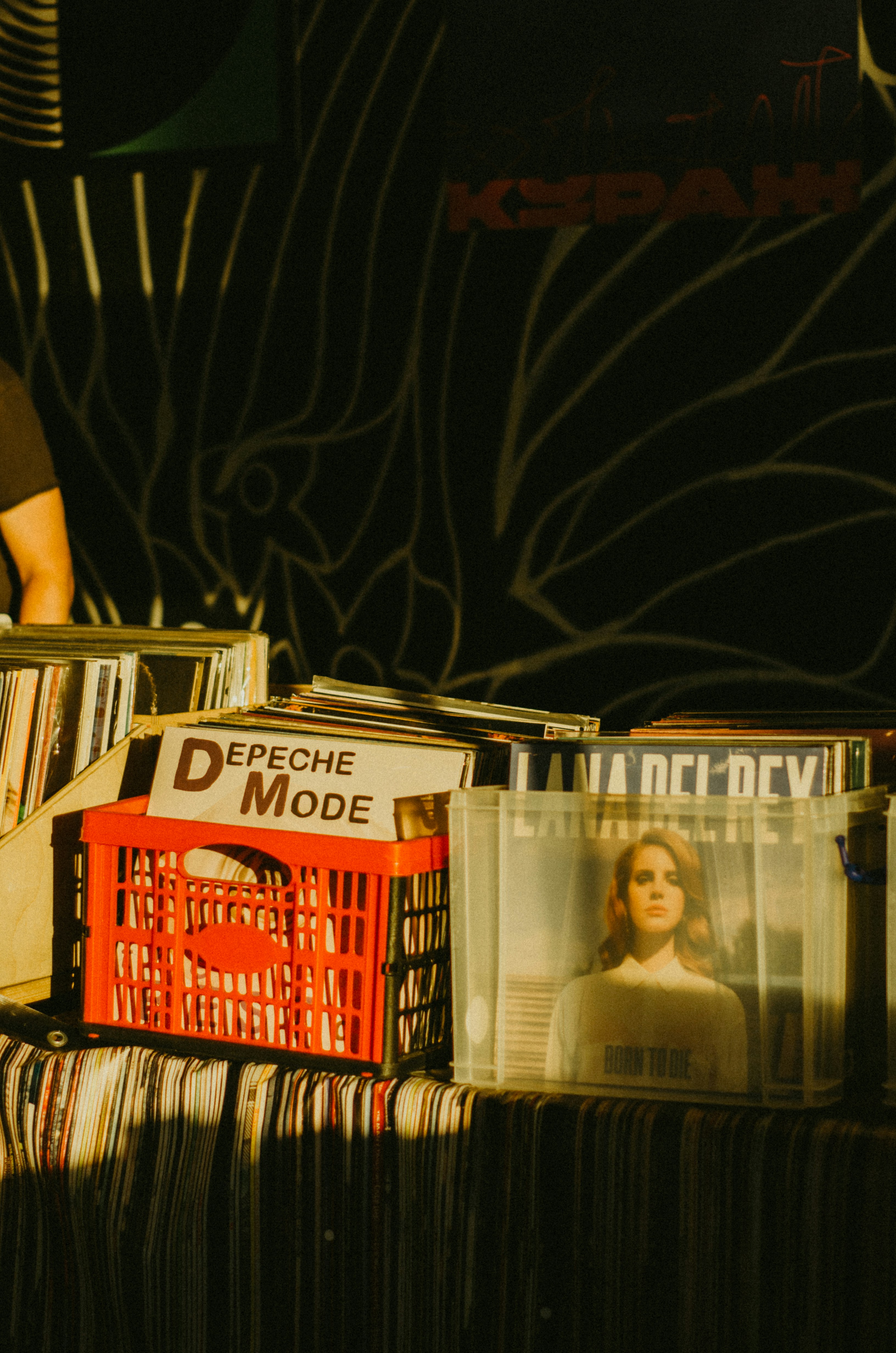
    • Play some vinyl!
    • Use the ‘good’ china or glassware on a regular Tuesday—because why not? What are we saving it for? Everyday little luxuries that bring us joy.

    As kids and young adults, we created for the joy of it—not for productivity. Somewhere along the way, we forgot how to do things just for fun.

    Loved sketching? Buy a sketchbook. Used to dance? Put on a playlist and move. Miss the days of film photography? Dust off an old camera.

    What we have discovered of late, is that our past interests still hold clues to our current joy. We should listen to them and maybe start to follow them.

    There’s something powerful about reconnecting with friends who knew you before life got complicated. It reminds you of who you’ve always been at your core.

    Write a letter (yes, an actual letter) to someone who meant a lot to you.

    Reach out to an old friend for a coffee date.

    Plan a “nostalgia night” with music, movies, and stories from the past.


    “Nostalgia is a gift – if we use it well.”

    maison 1973 founder, Nic Tierney.

    The Maison 1973 Takeaway:

    Our final thought? The maison 1973 woman isn’t looking back because she wants to go back. She’s looking back because she knows her past holds treasures that can enrich her future.

    So the next time nostalgia strikes, don’t brush it off. Ask yourself: What is this reminding me of? What can I bring back into my life today? Because sometimes, the key to moving forward is found in the beauty of what came before.

    Get nostalgic.

    Continue to explore our mood boards for inspiration

    Pinterest | Instagram

  • The Digital Hoarding Epidemic: Why We Keep Everything & How To Let Go

    The Digital Hoarding Epidemic: Why We Keep Everything & How To Let Go

    Digital CHAOS:

    Is your screen suffocating you?

    The Weight Of The Invisible CLUTTER

    “Last week, I was chatting with a good friend about all sorts of things, and we totally went off on a tangent about how overwhelmed we both feel with digital hoarding…it really struck a chord with me and got me thinking. I’m on a mission now to change this.” Nic, creator of maison 1973.

    We’ve all experienced it—scrolling through a long list of unread emails, going through many photos on our phones, or keeping 47 tabs open to look at later. Unlike physical mess, digital mess sneaks up on us. It doesn’t stack up on the kitchen counter or block the hallway, but it does take up space in our minds. This invisible build-up can make us feel overwhelmed, even if we don’t notice it.

    So, why do we do this? Why do we keep files, emails, photos, screenshots and bookmarks like they’re valuable treasures? More importantly, how can we lighten this digital load?

    Let’s look at why we hoard digital items, the stress it can cause, and how we can choose to have a clearer, more organised digital life.

    “We curate our wardrobes, our homes, even our friendships—so why do we let our digital lives become a chaotic mess? Maybe it’s time to stop hoarding and start choosing what truly adds value. Less noise, more clarity. Less saving, more living.”

    maison 1973 creator, Nic Tierney.

    Why Do We HOARD Digital Clutter?

    Digital hoarding isn’t just a bad habit—it’s deeply psychological. It’s the modern-day version of keeping stacks of magazines “just in case,” or stuffing drawers with things we might need.

    Here’s why we do it:

    Fear of Losing Something Important

    What if I need this email later? What if I forget this brilliant idea? The fear of losing information keeps us holding onto things long past their usefulness.

    The ‘Just in Case’ Mentality

    We believe we might someday need that screenshot, that saved article, that old resume file. And so, we keep it all.

    Emotional Attachment

    Photos, old messages, even past projects hold memories. Letting go of them can feel like erasing a part of our history.

    The Illusion of Productivity

    Saving things makes us feel like we’re staying on top of things—even if we never actually go back to them.

    Endless Storage = Endless Hoarding

    Unlike physical spaces, our digital world doesn’t force us to clean up. There’s no urgency to declutter when space seems infinite.

    The “Save & Forget” Trap

    We hit “save” on Instagram posts, Pinterest pins, and TikToks all day everyday, telling ourselves we’ll come back to them—but do we? Our saved folders become digital black holes of forgotten content. Instead of endlessly saving, create a habit of revisiting and actually using what you save.

    Try a weekly “Saved Scroll” session to clear out what no longer inspires you. We’ve started this and it works.

    FOLLOWING FATIGUE

    The more accounts we follow, the more our feeds become cluttered, making it harder to see what truly adds value. If you find yourself scrolling past the same content without engaging, it’s time for a social media detox. Unfollow accounts that no longer align with your interests, mute distractions,

    and curate your feed like you would a wardrobe—only keeping what truly fits your mindset and goals.

    Ok so what else can we do? Well, we have come up with the following and have implemented this already into our daily digital lives:

    TRY THIS: Mindful Digital Consumption
    1. Regularly clean up downloads and delete duplicate or unnecessary files. The key word here being regularly!
    2. Before you hit “save,” we are now asking ourselves: Will I really use this? Can I find this elsewhere if I need it? It’s ok, you will always be able to find it again (or something similar) in this digital world we live in. It’s just a click or search away – no need for FOMO!
    3. Set a limit for things like open tabs or saved articles (e.g., a 10-tab rule). Set a limit and stick to it. Be disciplined/
    4. We’ve limited our saved posts to a manageable number (e.g., max 20 before reviewing).
    5. Unfollow or mute 5-10 accounts each month that no longer serve you.
    6. Use folders or boards to organise saved content by theme (fashion, wellness, inspiration) so it’s actually usable.

    The HIDDEN Stress Of Digital Clutter

    While digital clutter might not be visible, it has very real mental and emotional effects.

    It drains our focus, increases stress, and fuels decision fatigue.

    Decision Fatigue

    The more digital clutter we have, the harder it is to find what we need. This constant micro-decision-making (Do I need this? Where did I save that?) adds up.

    Inbox Anxiety

    A cluttered inbox feels like a never-ending to-do list. Even unopened emails take up mental space, making us feel perpetually behind.

    The ‘Always On’ Effect

    Too much digital content = information overload. Our brains struggle to process and prioritise, leading to burnout.

    Distraction Overload

    Multiple tabs, notifications, and digital noise reduce our ability to focus on one task at a time.

    TRY THIS: The Digital Declutter Method
    1. Limit digital intake – Set boundaries on content consumption, like no screens before bed or a digital detox day.
    2. The One-Touch Rule – When an email comes in, deal with it immediately: reply, delete, or file it away.
    3. Unsubscribe ruthlessly – If it doesn’t spark joy (or value), let it go.
    4. Turn off notifications – Reduce unnecessary distractions that keep pulling you back into digital clutter.

    How We De-Clutter And create A ‘SLOW TECHMindset

    Just like slow fashion and slow living, we need slow tech—a more intentional, thoughtful approach to digital spaces. Here’s how to reclaim control:

    Declutter Your Devices
    • Delete unused apps that clutter your phone – often and be brutal!
    • Organise photos into albums (or, like us – let go of 5,000 random screenshots! 🙃).
    • Regularly clean up downloads, desktop files, and cloud storage.
    TIDY UP YOUR INBOX – WEEKLY (OR DAILY IF YOU CAN!)
    • Archive old emails and use folders strategically.
    • Ruthlessly edit all the emails you receive and unsubscribe daily from businesses, influencers etc that you do not engage with.
    • Adopt “Inbox Zero” (or at least Inbox Manageable). We aim to have no more than 20 emails in our inbox at any one time – it’s working.
    Rethink Your Digital Habits
    • Limit social media scrolling—set app timers if needed.
    • Close unused tabs and avoid multitasking across 10 different windows.
    • Prioritise quality content over mindless consumption.
    Use Digital Minimalism to Your Advantage – OUR TIPS
    1. Be intentional with saving content—if you haven’t used it in a month, it’s probably not needed.
    2. Consider adopting a minimalist phone setup—only keep essential apps on your home screen.
    3. Set a “digital reset day” once a month to clean up your online spaces.

    Our research on daily digital habits shows that the key is not just to declutter once, but to develop habits that avoid digital overload. A clean digital space, like an organised closet or home,

    can feel freeing and refreshing. And at the end of the day, that’s how we want to feel.


    “Clutter is the physical manifestation of unmade decisions fueled by procrastination.”

    best-selling author and Reiki Master, Christina Scalise.

    The Maison 1973 Takeaway:

    Our final thought? We’re taking control of the digital excess – not it taking control of us.

    Get detoxing.

    Continue to explore our mood boards for inspiration

    Pinterest | Instagram